
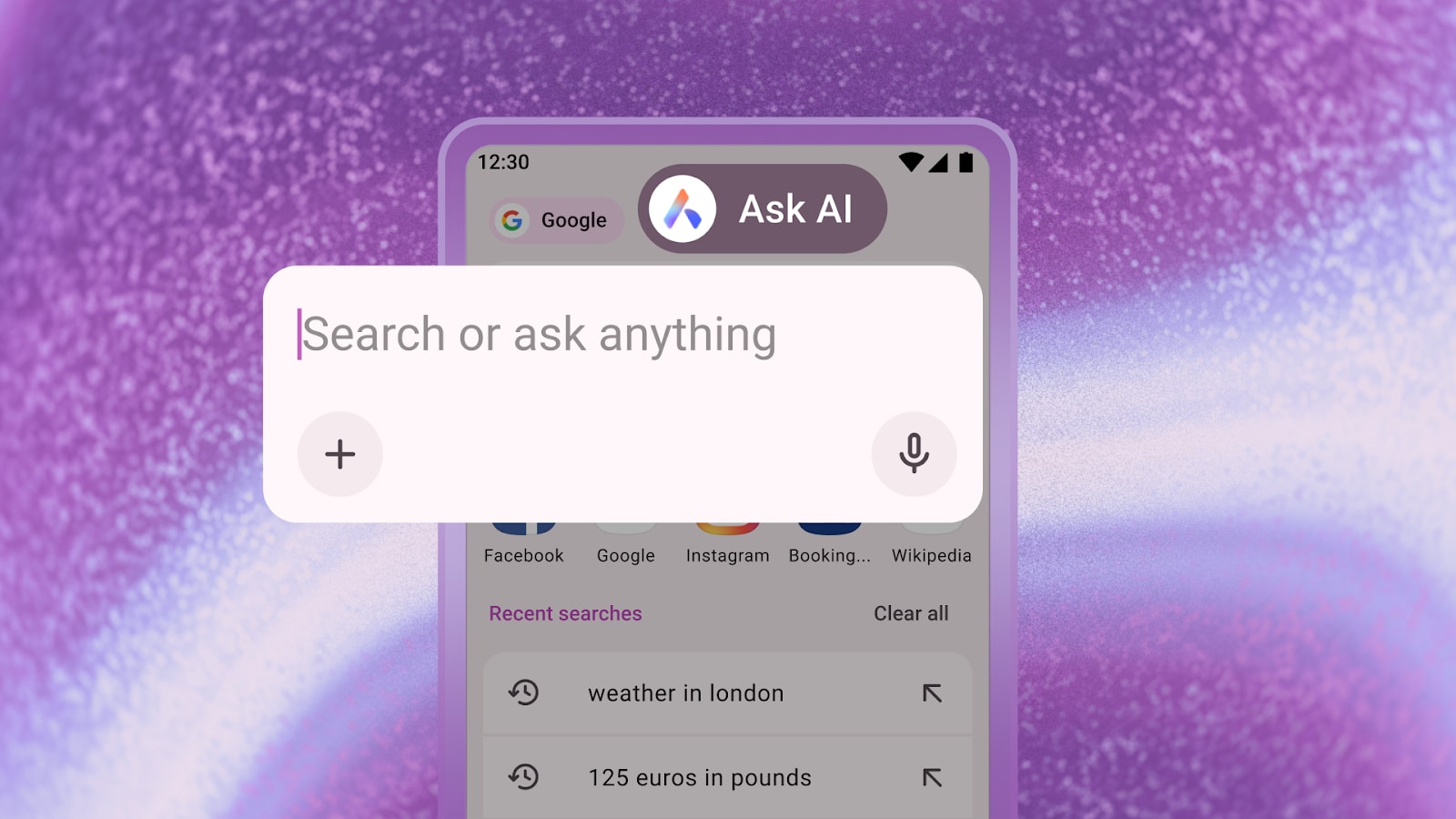
Opera Overhauls Android AI with On-Device Processing and Multi-Model Support
Opera has officially rolled out a substantial upgrade to its AI capabilities for Android users today, December 4, 2025, marking a strategic pivot toward local processing and user choice in the mobile browser market. The update, now available globally via the Google Play Store, targets the company’s 50 million active Android users with a system designed to reduce latency and enhance privacy.
This release represents a significant departure from Opera's previous, more limited AI integrations introduced in mid-2024. By shifting focus to on-device capabilities, the browser maker is attempting to differentiate itself in a crowded market where competitors often rely heavily on cloud-based processing.
The Shift to "On-Device" Performance
The headline feature of this update is the technical shift regarding how the AI operates. Opera claims the new architecture reduces response times by up to 40% on mid-range Android devices. This speed boost is achieved by handling specific AI tasks directly on the user's hardware rather than pinging remote servers for every request.
For users, the implications extend beyond just speed. According to official specifications, this local processing approach reduces data transmission by approximately 70% compared to previous cloud-only iterations. This is a critical metric for mobile users with capped data plans or those browsing in areas with unstable connectivity.
Modular AI and New Creative Tools
Opera has expanded the utility of its browser by moving away from a "one-size-fits-all" AI assistant. The updated Android app now integrates access to over five leading AI models, a significant jump from the two previously available. This includes integration with high-profile models like GPT-4o alongside Opera’s own custom-trained models.
Key features introduced in this rollout include:
-
AI Composer: A new tool that allows users to generate custom content, such as emails or social media posts, directly from browser tabs without switching apps.
-
Visual Capabilities: The update enables on-device image generation and editing, powered by integrated models including variants of Stable Diffusion.
-
Enhanced Language Support: Real-time webpage summarization and translation are now supported in over 100 languages, with specific accuracy improvements noted for non-English content.
Market Response and Regional Strategy
The initial reception suggests strong user interest in these new capabilities. Data from app analytics trackers indicates that the updated browser saw over one million downloads within the first 12 hours of its release. Community feedback across platforms like Reddit and X has been largely positive, with users specifically citing the ability to switch between AI models and the "offline" feel of the faster response times. However, technical discussions in Android forums have noted some concerns regarding increased battery drain on older devices.
Opera is also tailoring this rollout to specific regional needs. In the European Union, the update includes distinct GDPR-compliant privacy notifications, allowing users to opt out of AI data processing entirely. Meanwhile, in key markets like India and Southeast Asia, the browser prioritizes a low-data mode for AI features, optimizing performance for budget devices and slower networks.
By combining granular privacy controls—such as the ability to toggle data usage—with a modular approach to AI models, Opera is positioning this update as a direct response to user demand for more customizable and private mobile browsing experiences.