
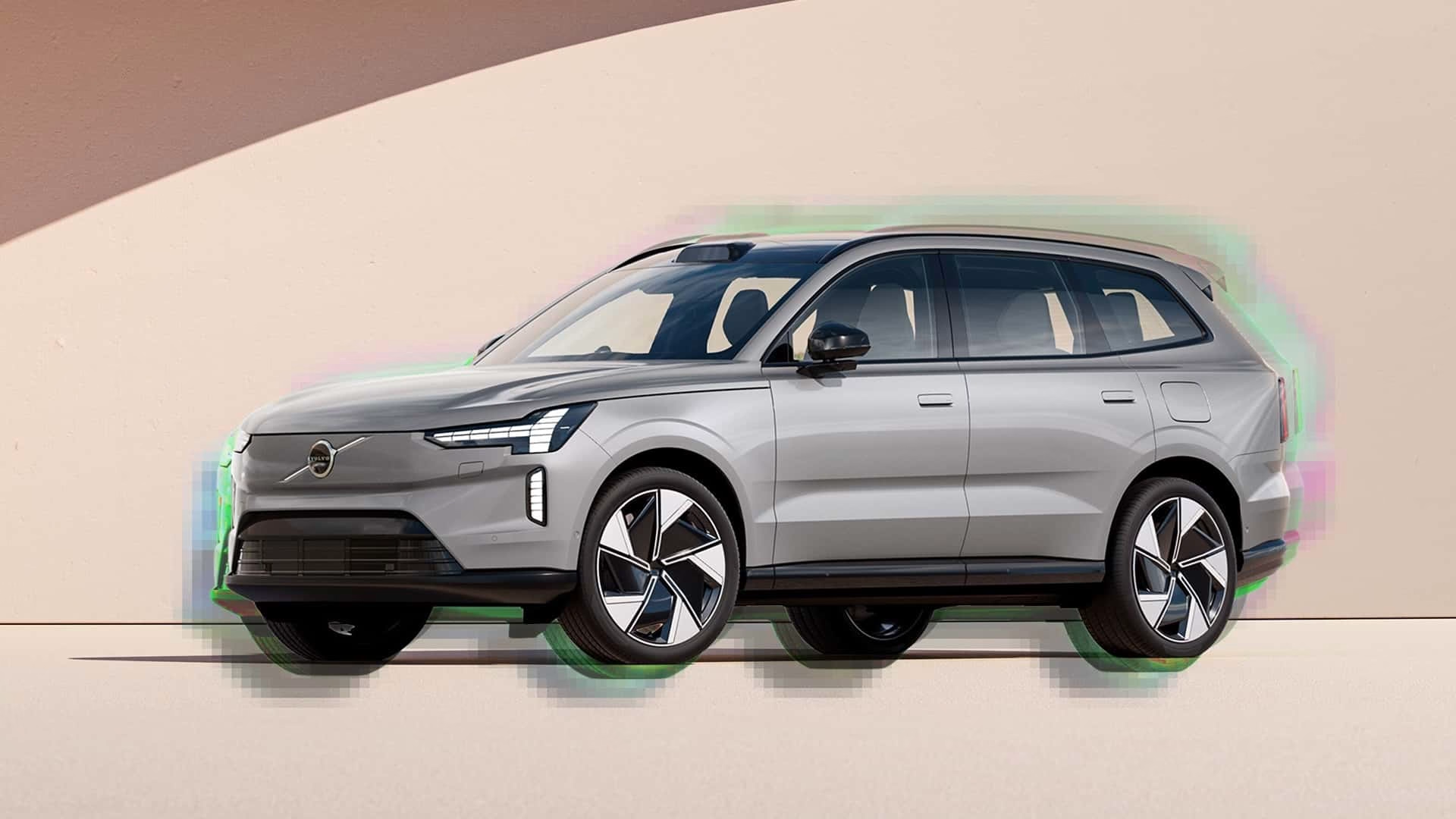
Volvo Cars Discontinues Luminar Lidar Partnership for 2026 Models
Volvo Cars announced on Monday, November 17, 2025, that it is discontinuing its relationship with Luminar Technologies, a US-based supplier of lidar sensors. This strategic decision marks a significant shift in the Swedish automaker's approach to autonomous driving technology, specifically impacting its 2026 model lineup. The move suggests a re-evaluation of key sensor technology previously central to Volvo's self-driving initiatives.
Contractual Tensions Precede Partnership Dissolution
The dissolution of the partnership follows a period of contractual tensions between Volvo Cars and Luminar Technologies. Luminar has publicly accused Volvo of breaching their contract. In response to these alleged breaches, Luminar had suspended deliveries of its Iris lidar units, a critical component for autonomous driving systems. The cessation of these lidar component shipments appears to have been the catalyst for Volvo's decision to terminate the supplier relationship entirely. This dispute underscores the often complex nature of agreements within the high-stakes autonomous vehicle supply chain.
Reassessing Volvo's Autonomous Driving Trajectory
By dropping Luminar's lidar technology for its 2026 models, Volvo is moving away from a sensor technology that has been a cornerstone for many autonomous vehicle development programs across the industry. This decision indicates that the automaker may be exploring alternative strategies for achieving its self-driving capabilities. These alternatives could encompass a range of possibilities, including engaging different sensor suppliers for its future vehicles, adopting entirely new sensing technologies that do not rely on Luminar's lidar, or even revising the projected timelines for the deployment of its autonomous driving features. The pivot highlights the dynamic and evolving nature of technology integration in the automotive sector.
Broader Implications for the Autonomous Vehicle Sector
The discontinuation of this significant partnership represents a notable setback for Luminar Technologies. The company had established itself as a key supplier for major automotive manufacturers investing heavily in autonomous vehicle development. This incident further illuminates the inherent challenges present within the autonomous vehicle supply chain, where long-term technology partnerships are subject to intense scrutiny and complex contractual obligations. The dispute between Volvo Cars and Luminar underscores the difficulties of maintaining stability and ensuring continuous supply in the rapidly advancing and highly competitive environment of autonomous mobility.